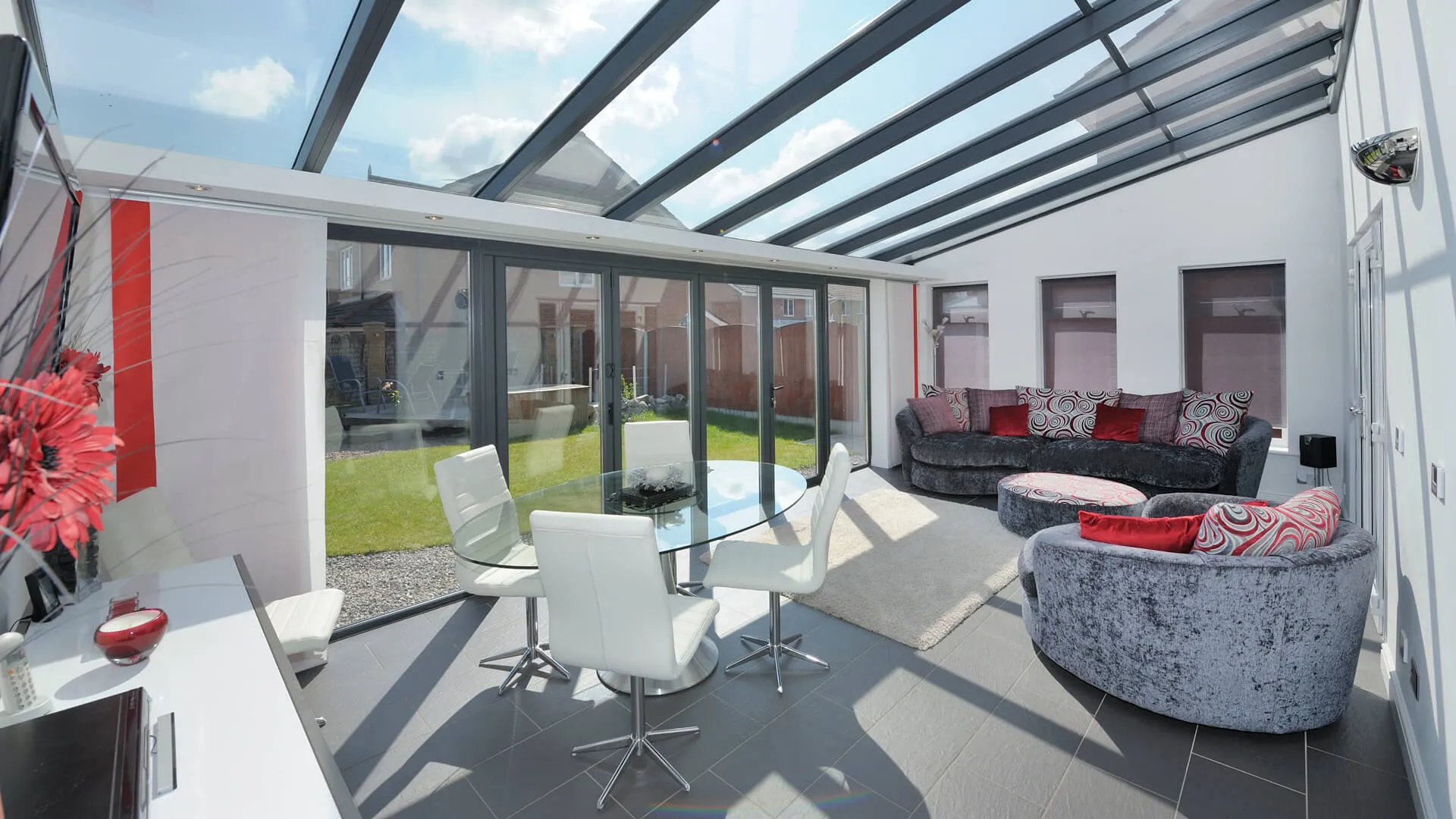
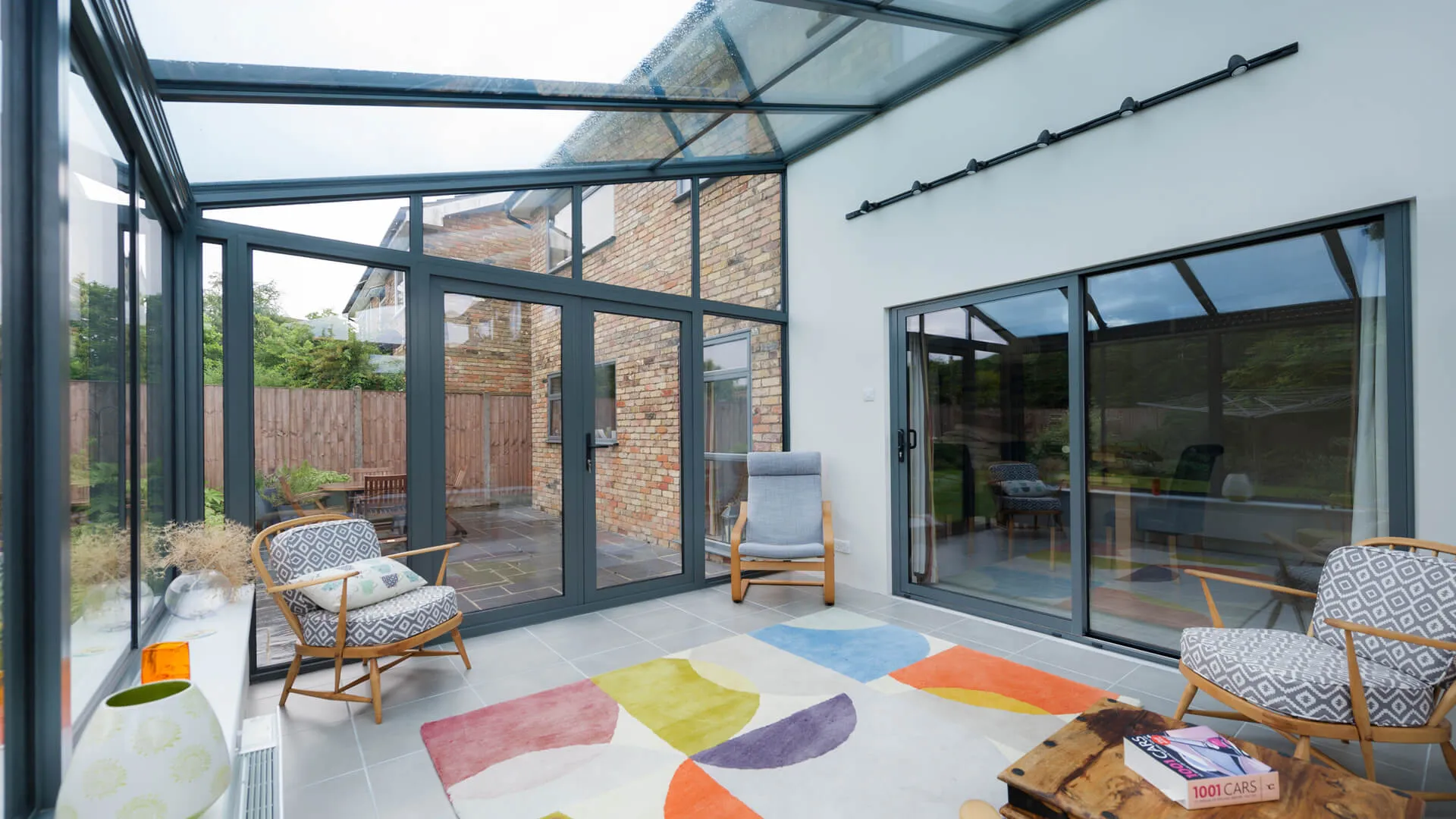
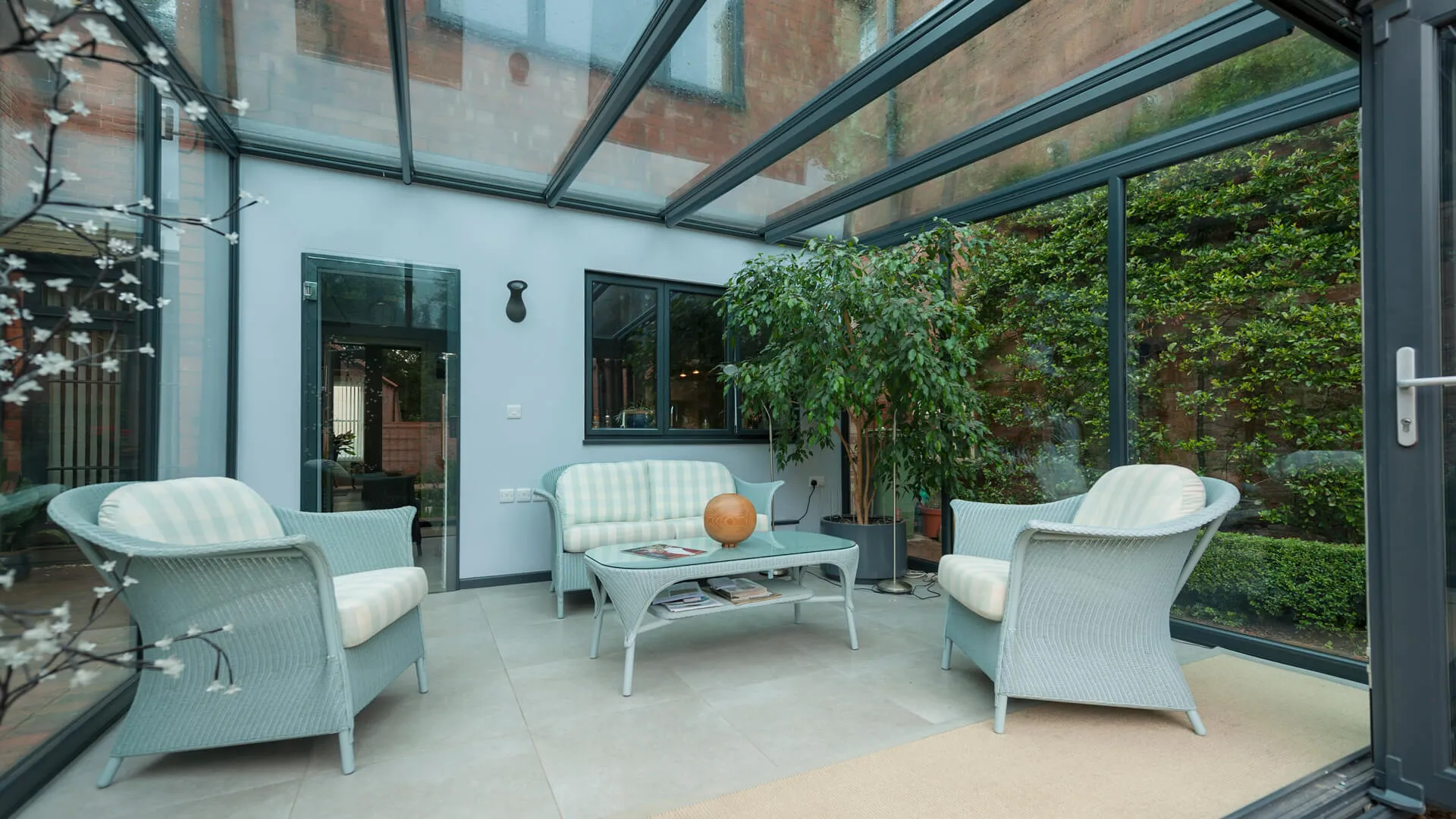
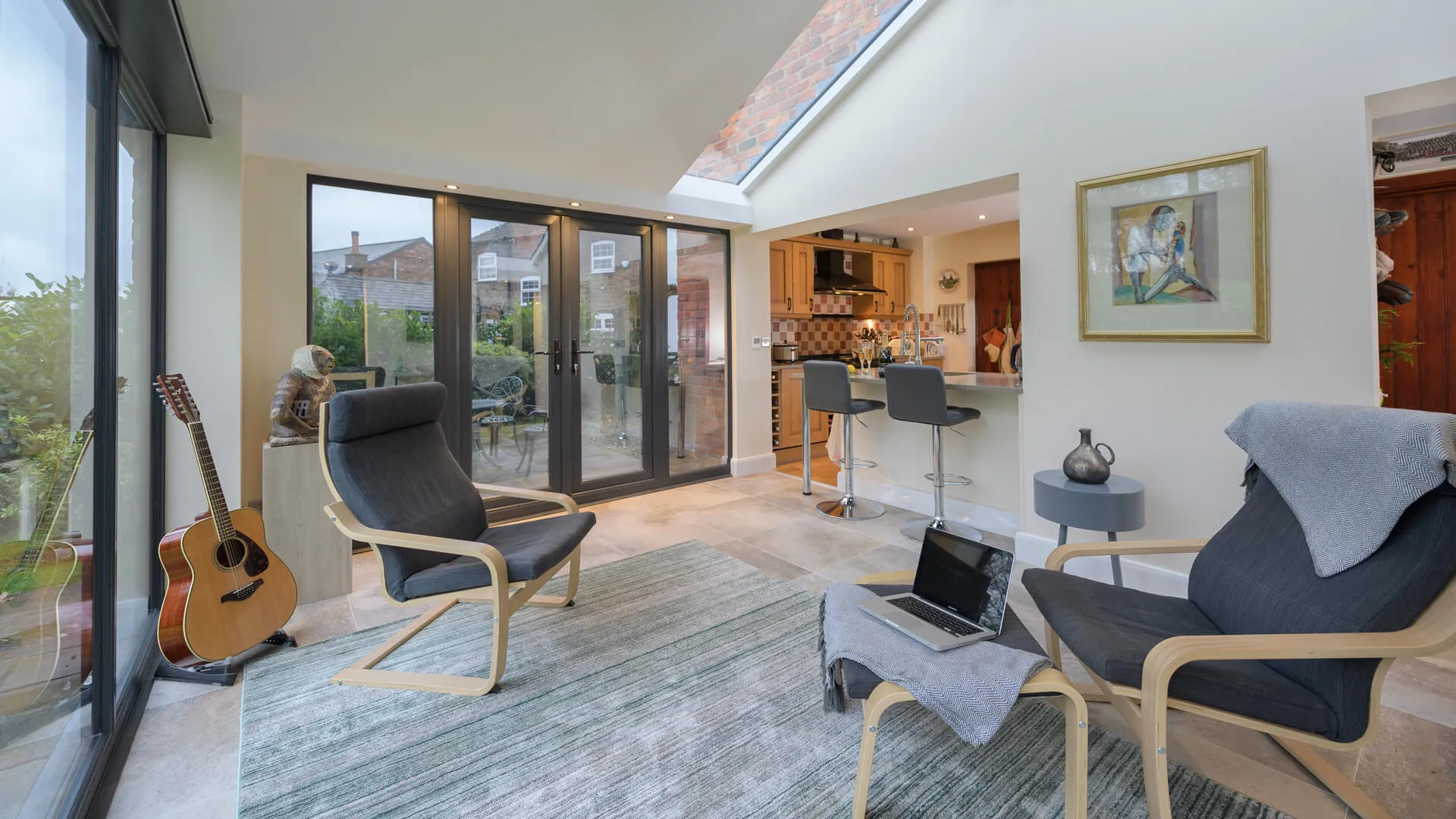
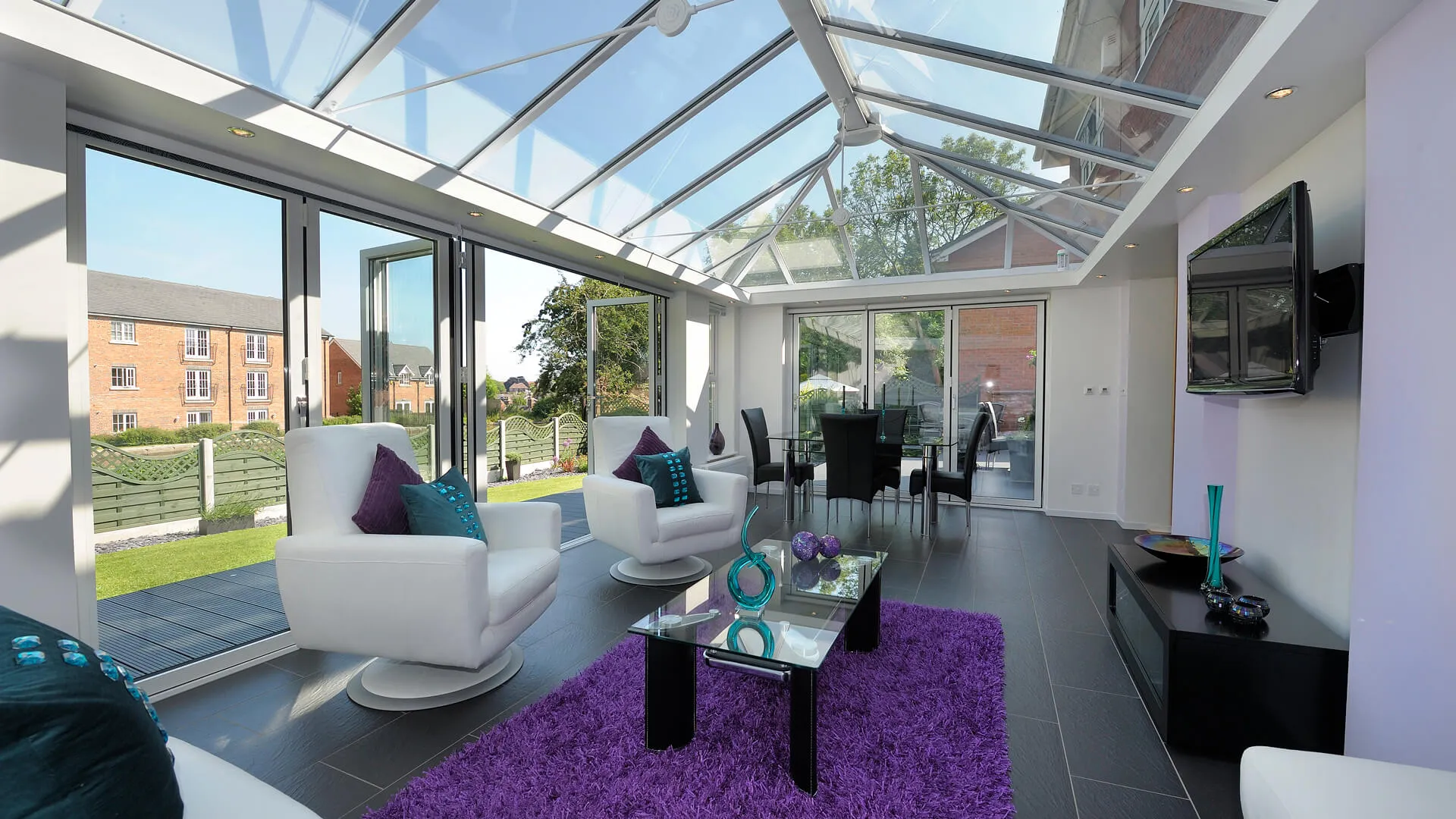
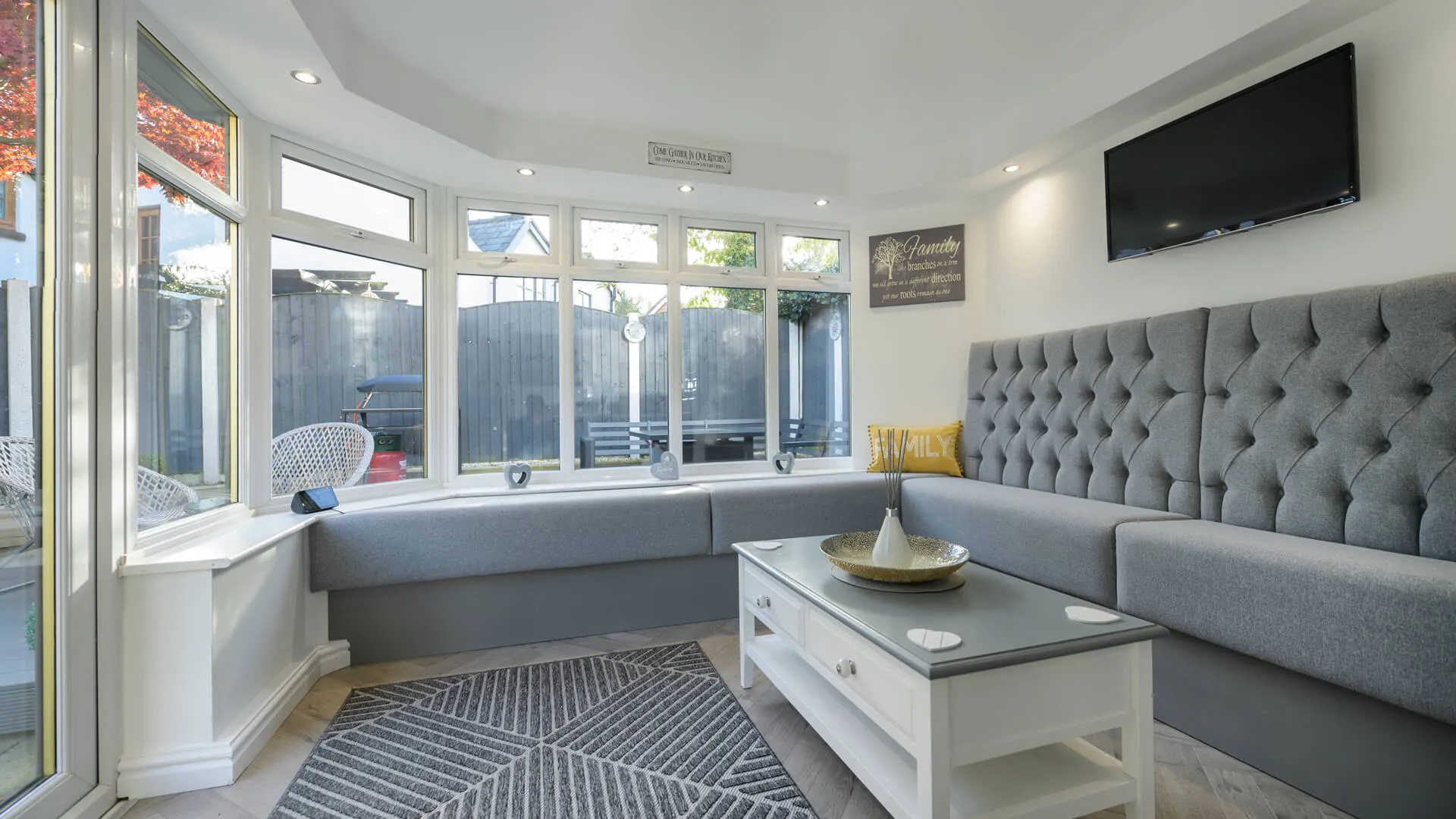
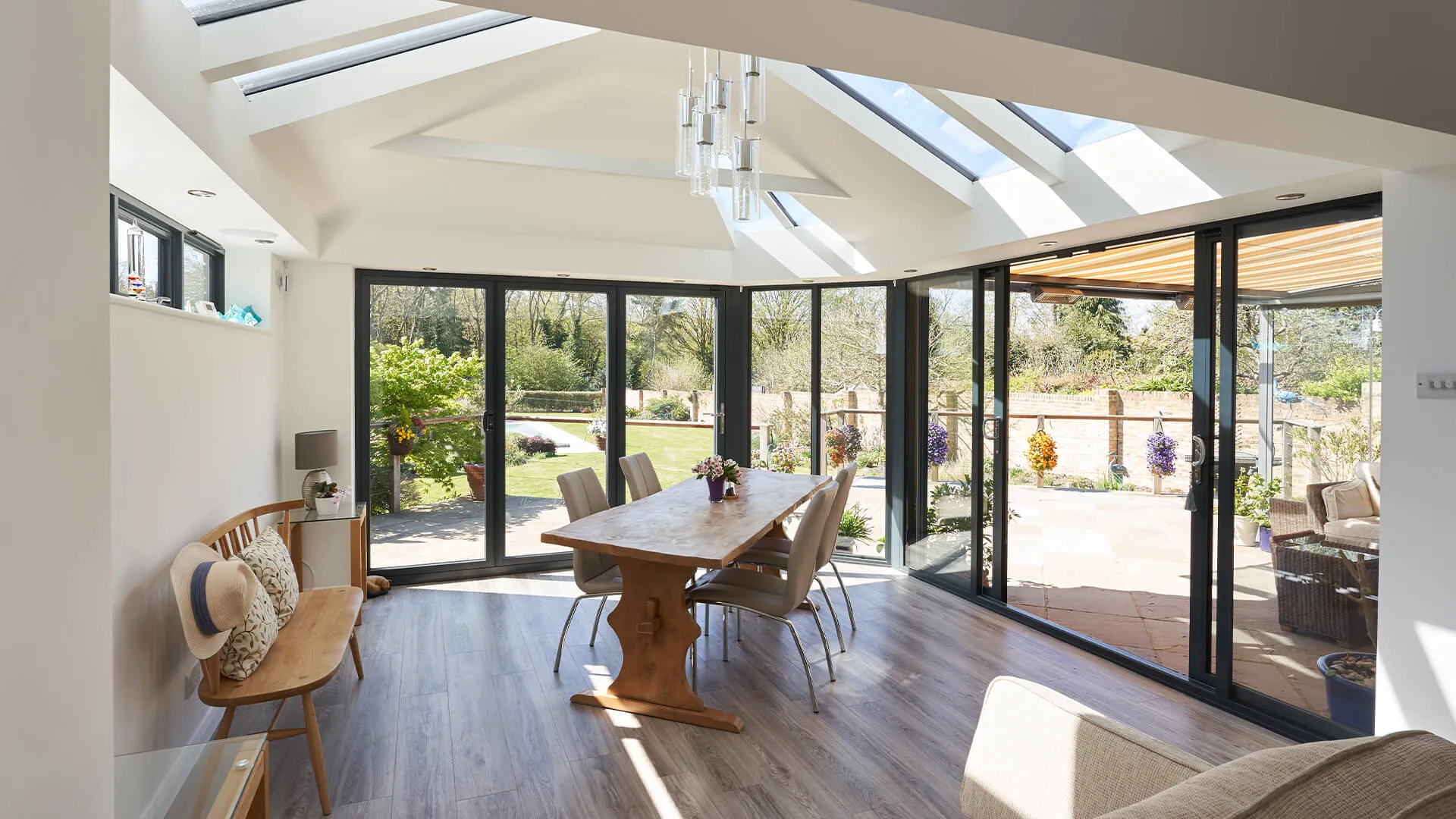
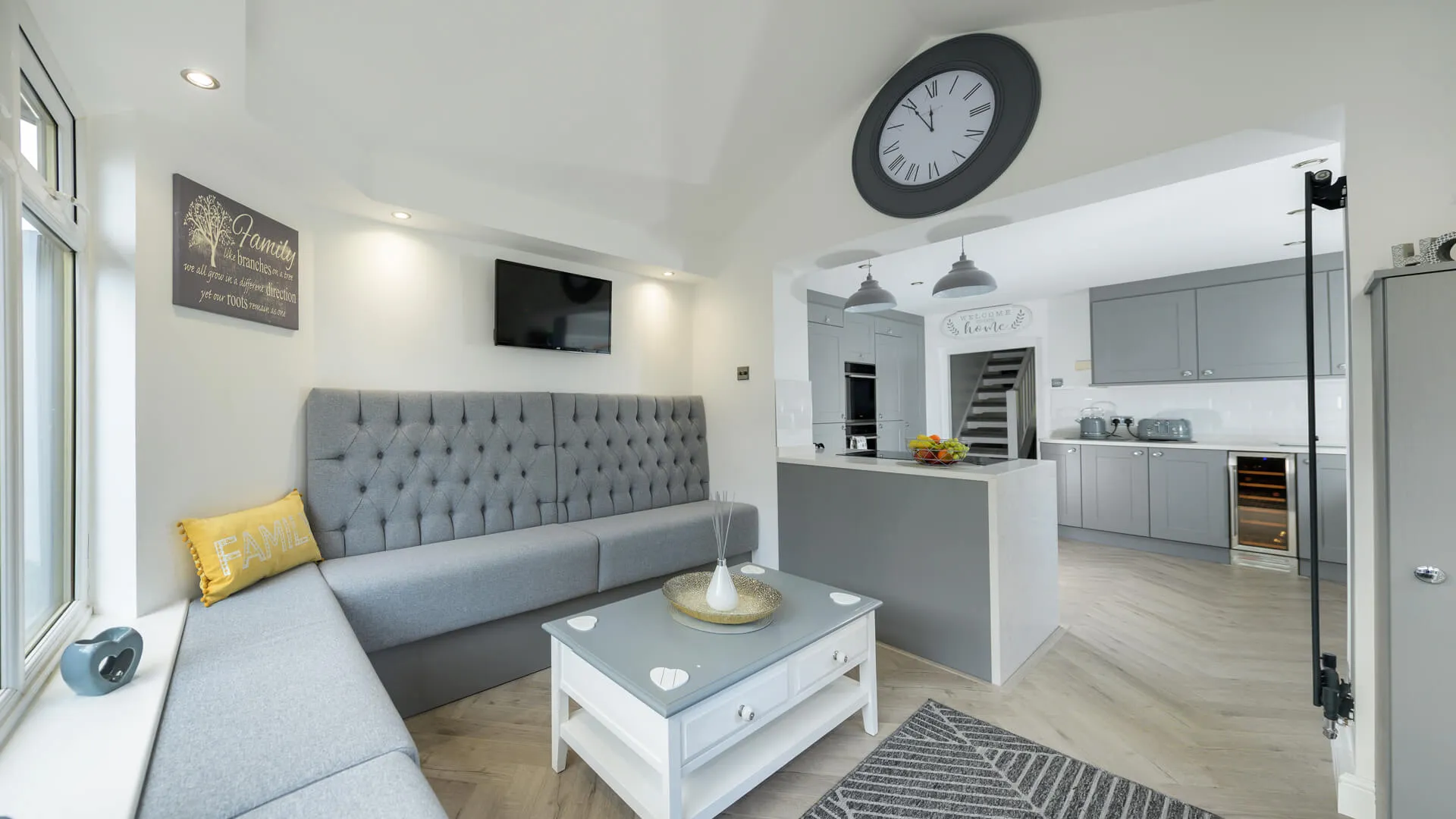
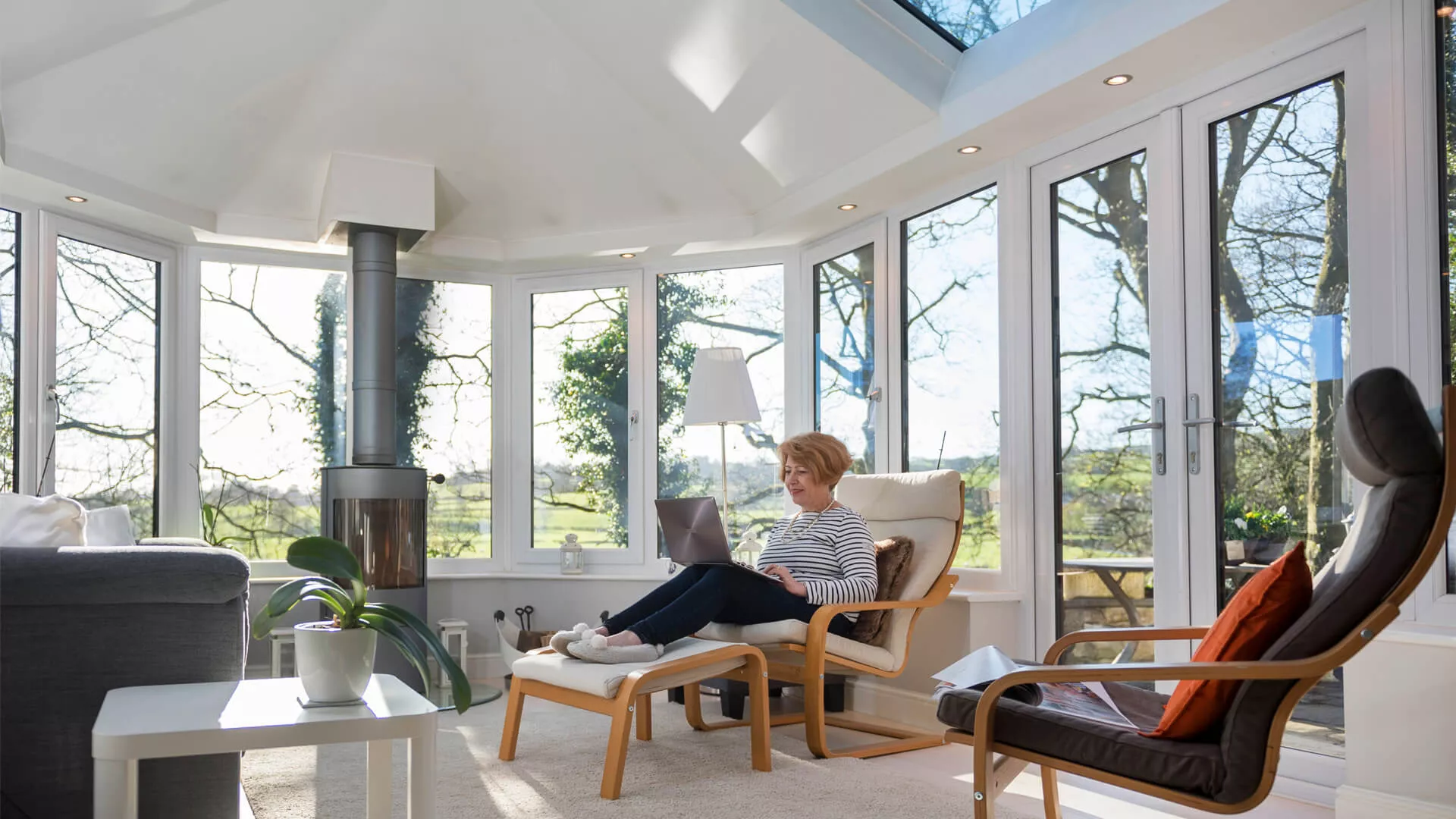
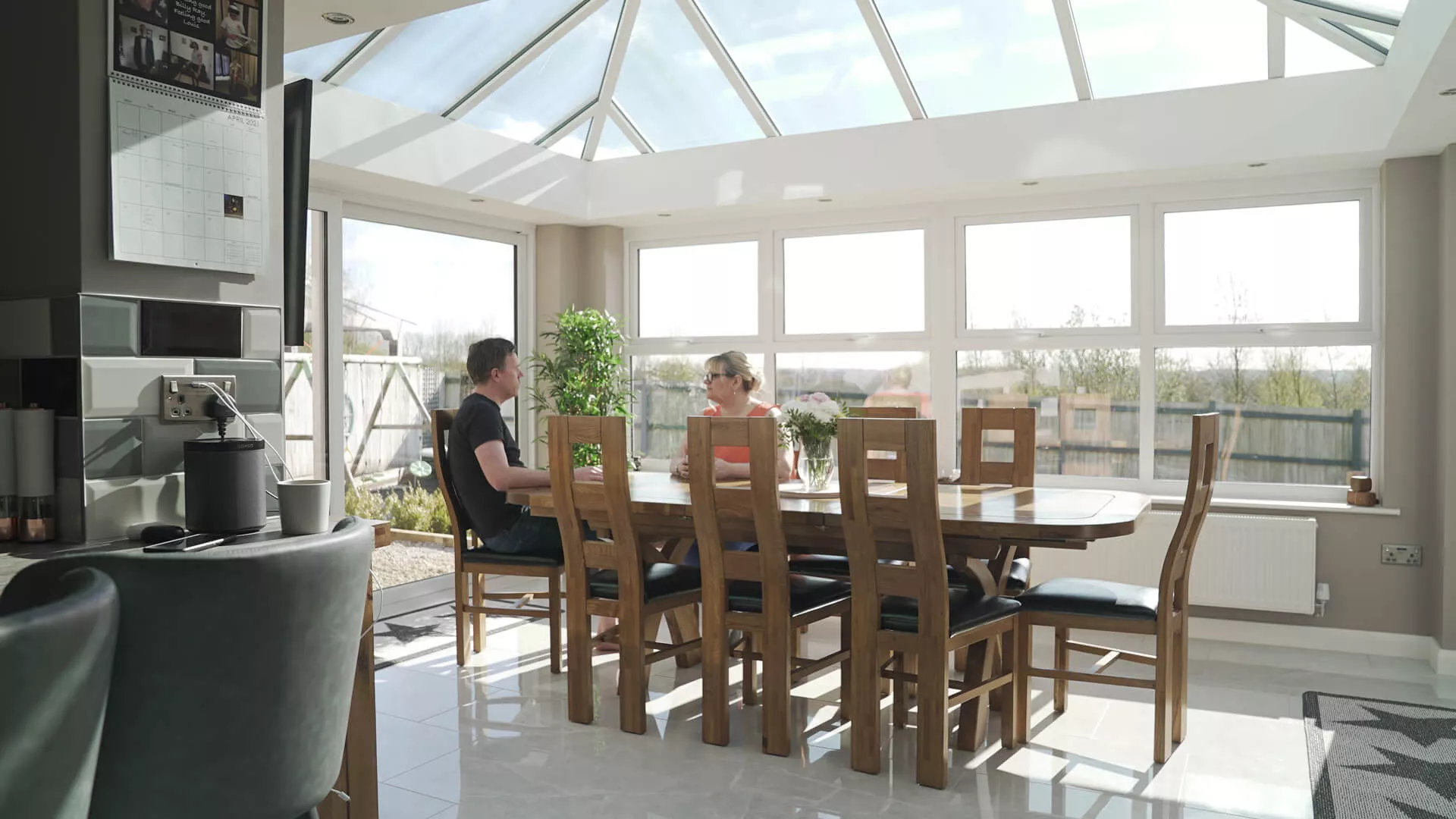
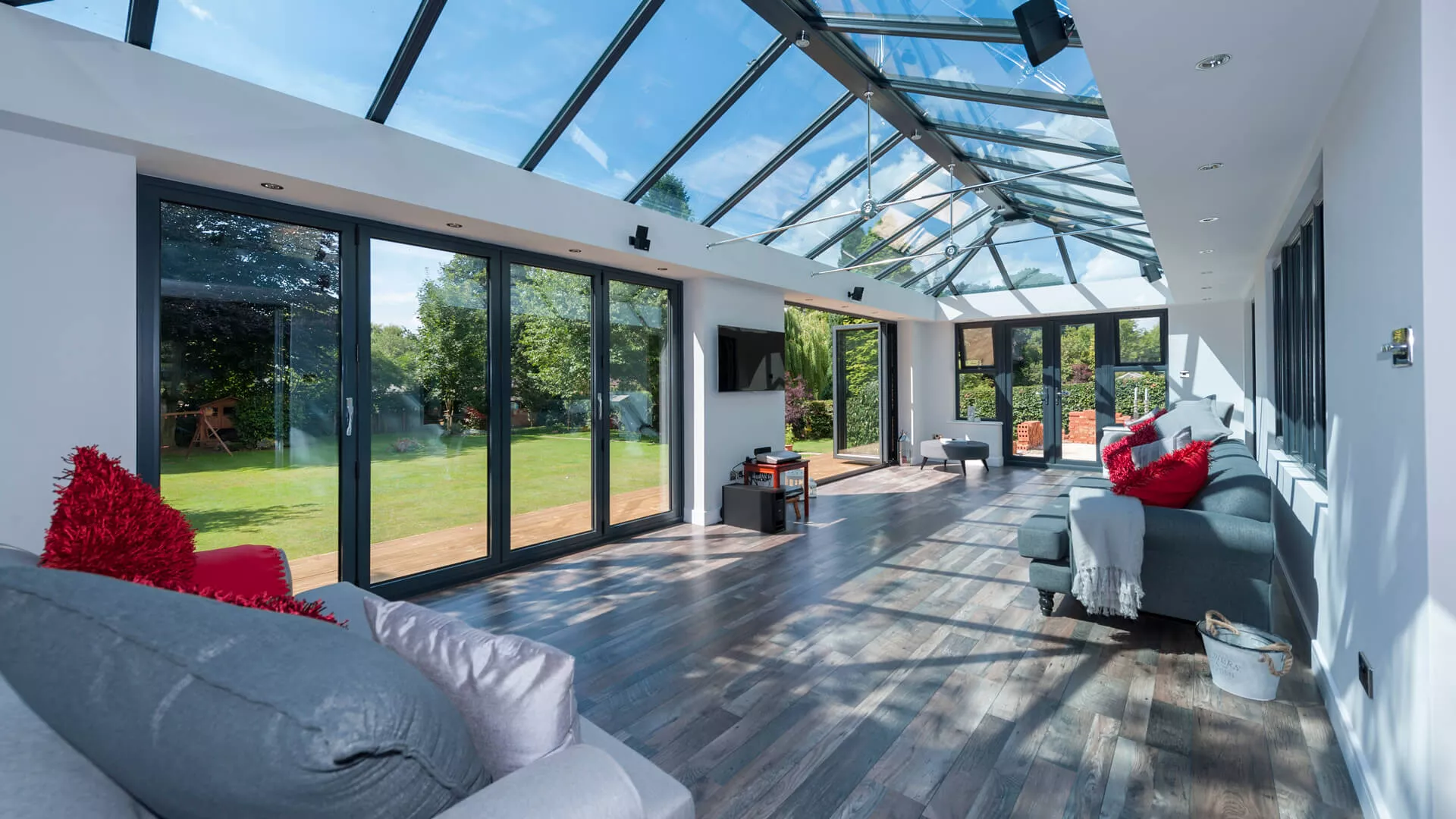
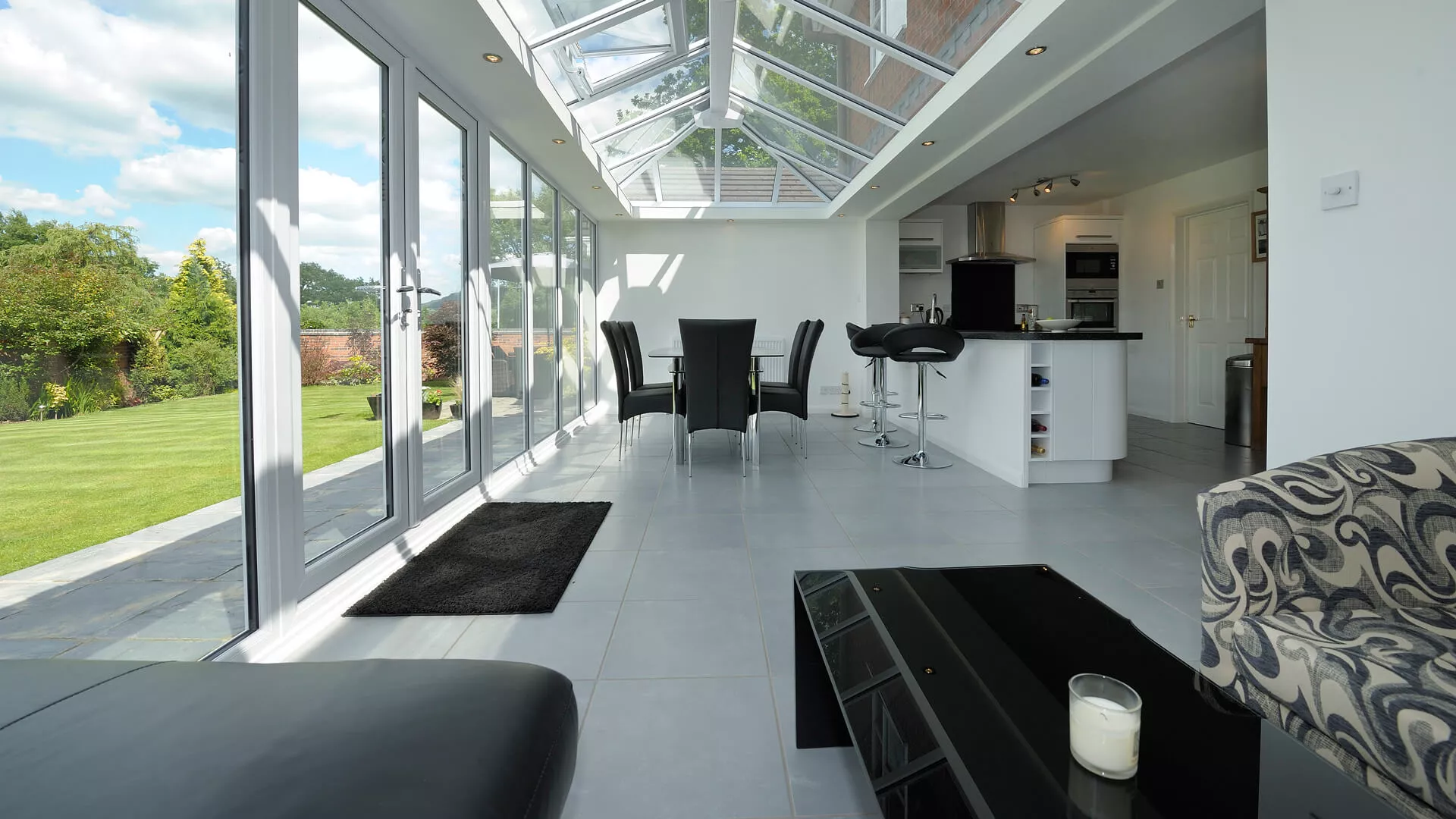
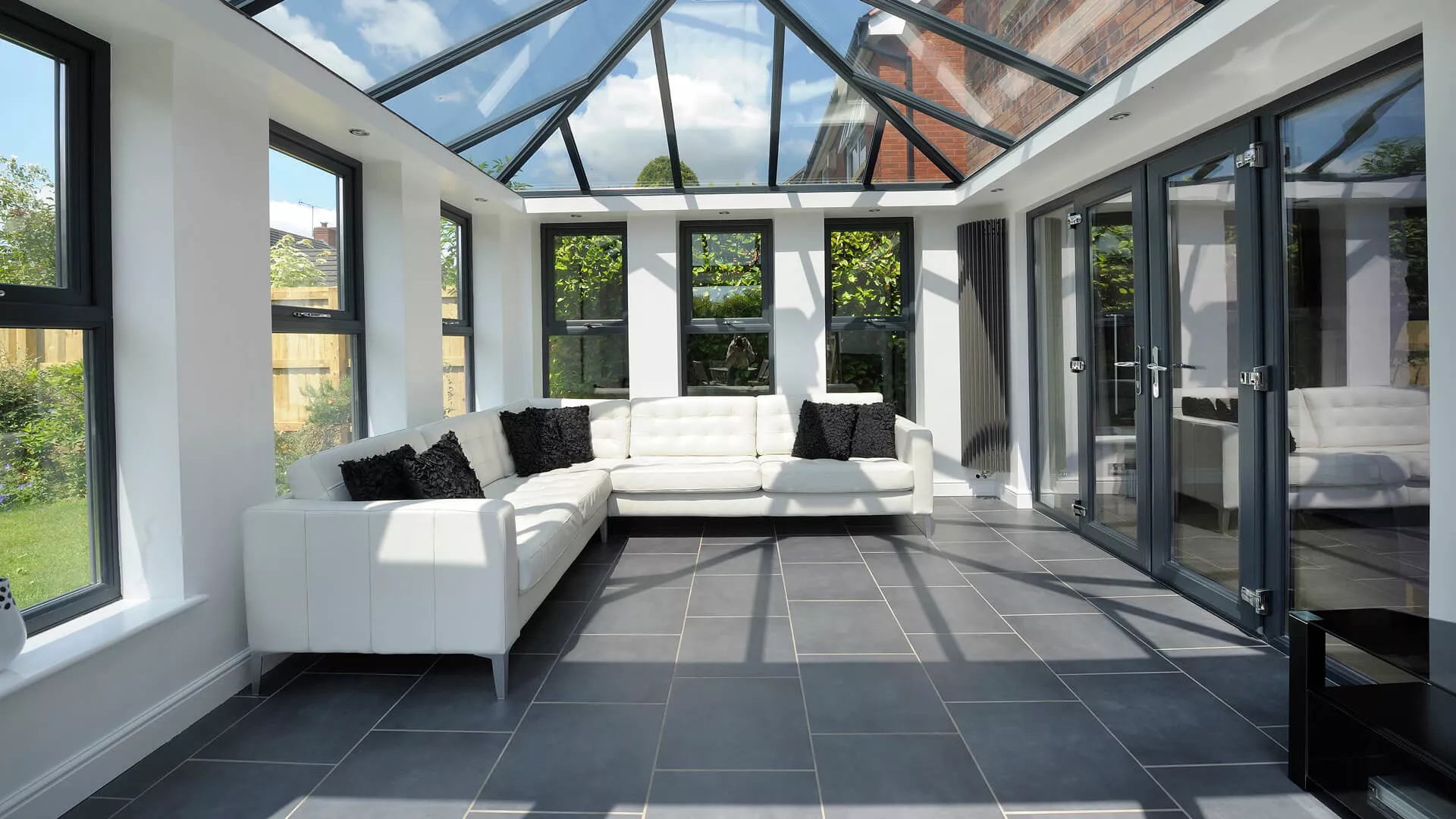
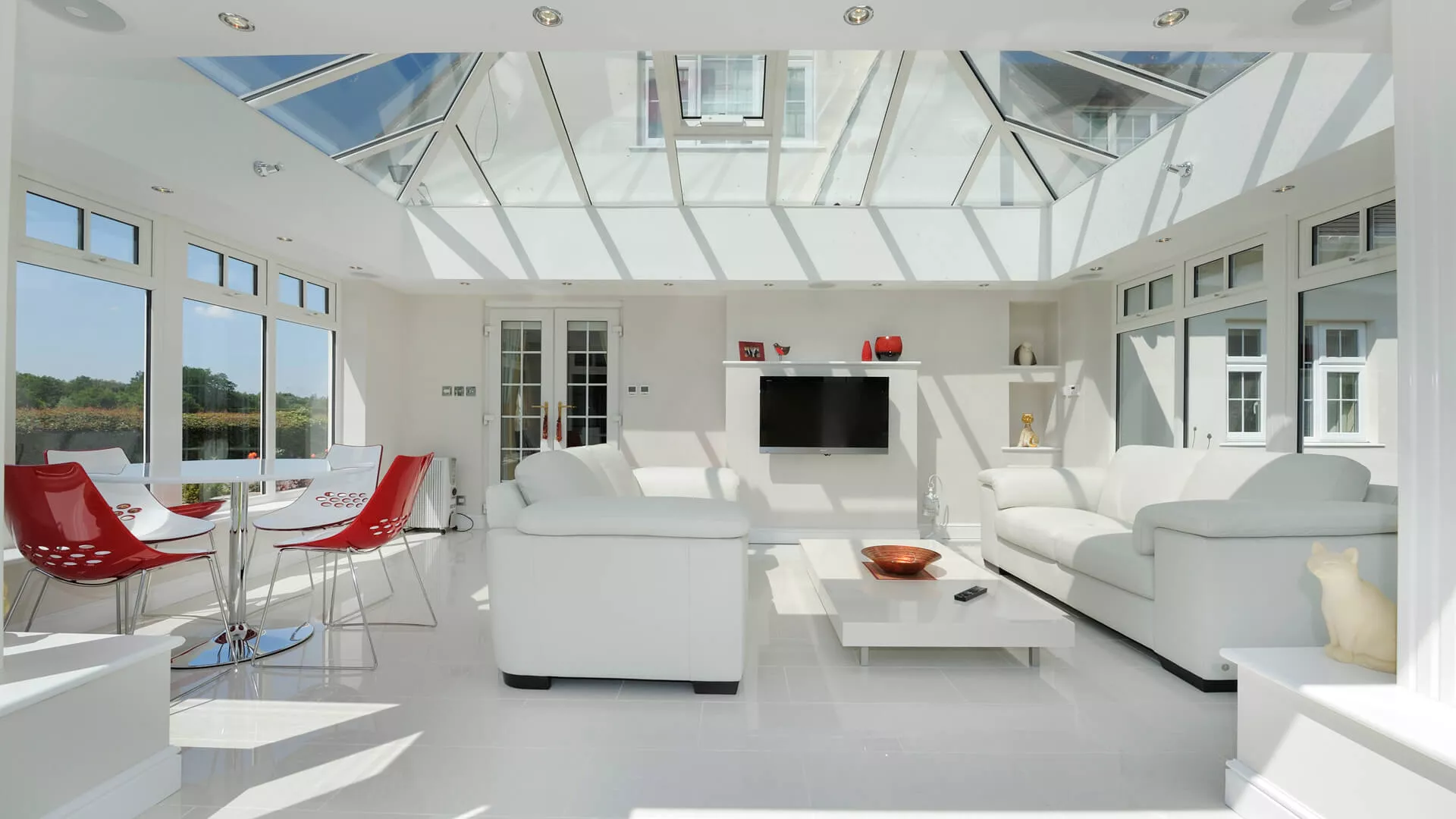
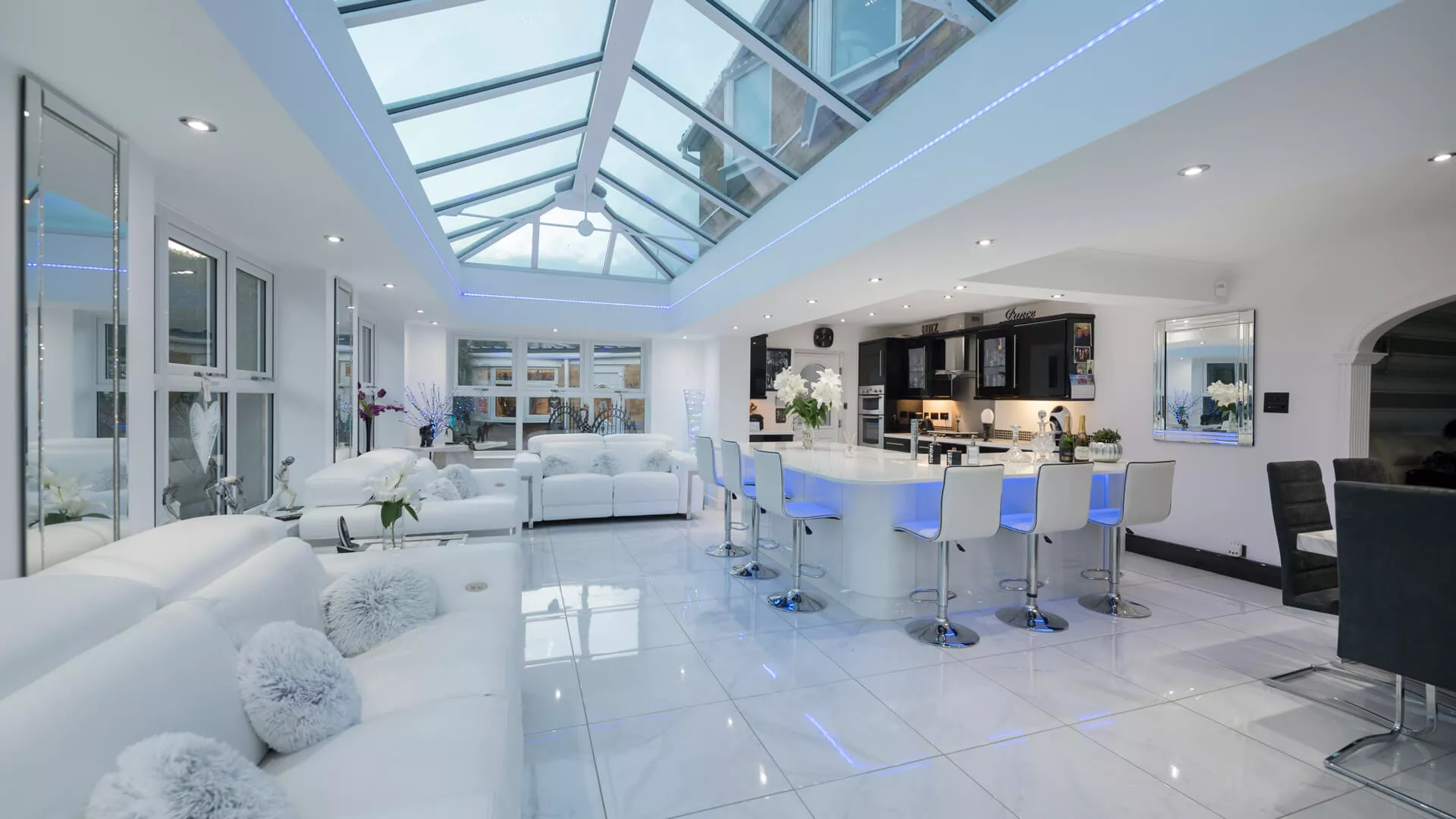
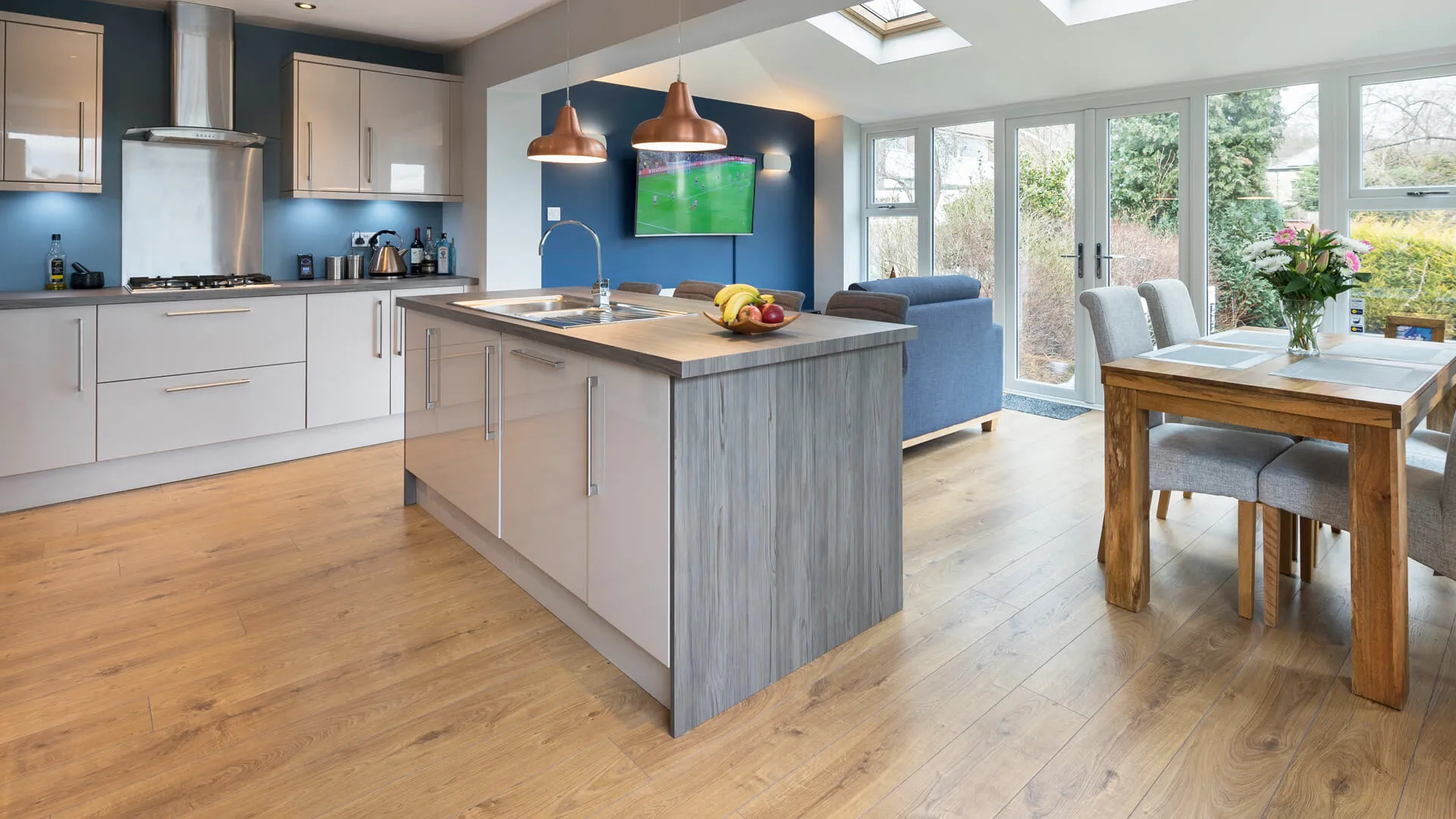
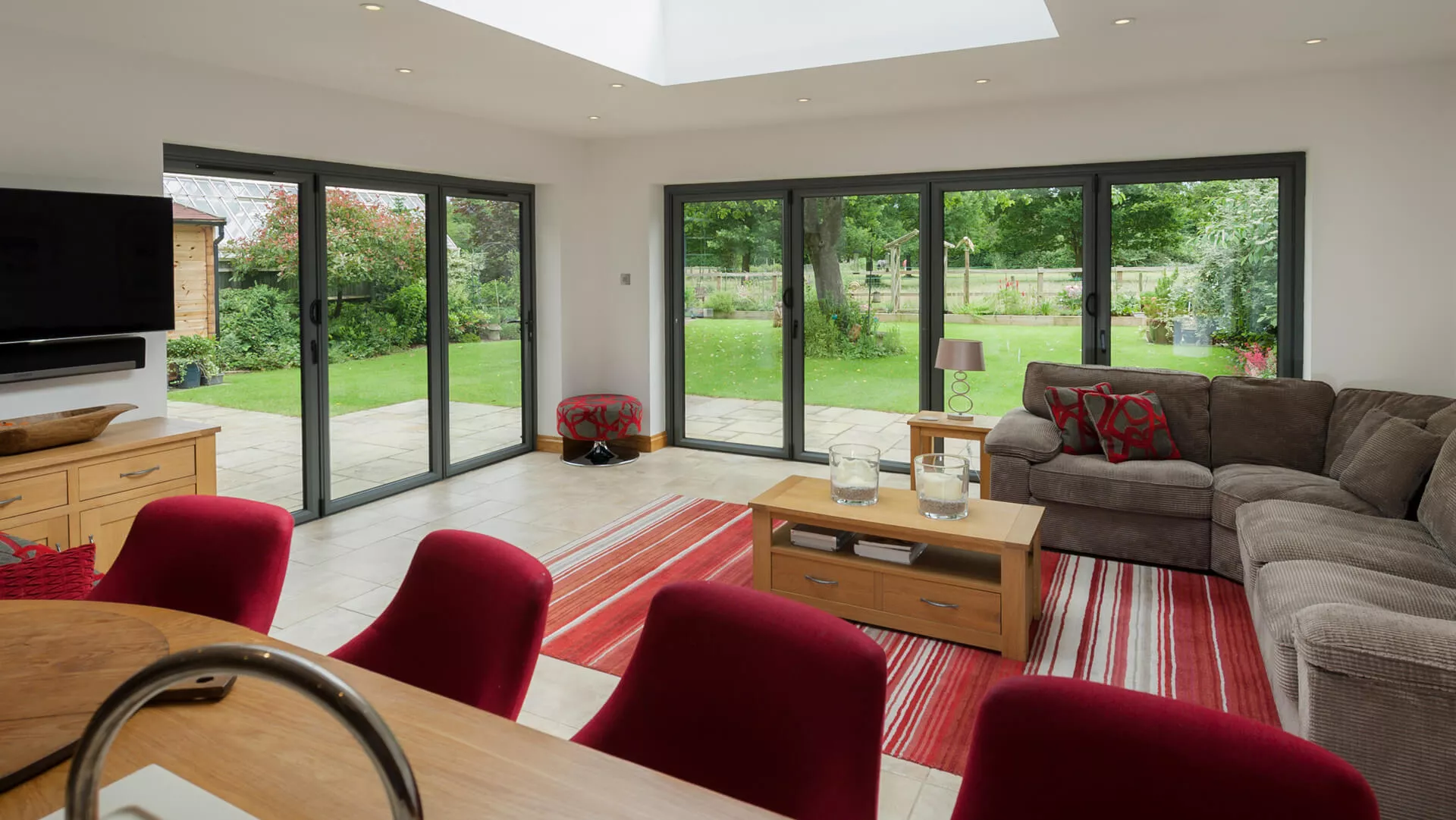
Interior décor ideas to transform your new living space.
How to bring the old and new together.
Complementary colours
Integrate your home’s current colour scheme into the new living space or choose complementary tones.
Material consistency
Opt for similar flooring, wall finishes, and trim details that align with the existing style of your home.
Furnishing style
Keep the furniture pieces consistent to successfully marry the new living space to the rest of the house.
How to get started with home décor.
TOP STYLE TIPS
Create a mood board
A mood board helps you visualise how your room will look before you start designing. Gather inspiration such as colours, furniture, fabrics and lighting you like, then place them together on a board to see how the styles and tones work side by side. This makes it easier to choose a clear look for your space.
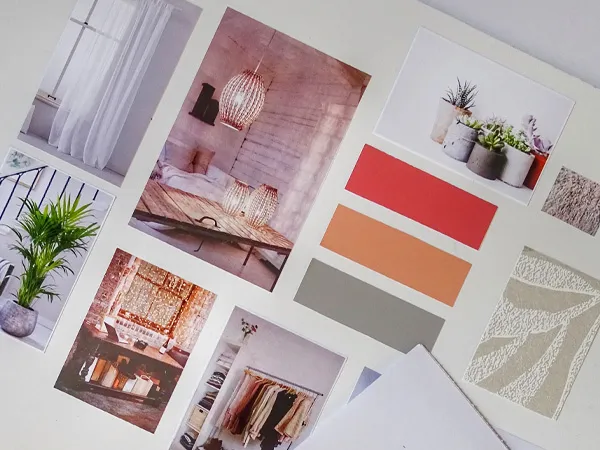
Explore popular décor styles.
TOP STYLE TIPS
Add greenery
Whether you choose statement potted plants or smaller tabletop displays, greenery adds a natural touch to your home. Beyond looks, plants can help improve air quality, reduce stress and incite a calmer setting.
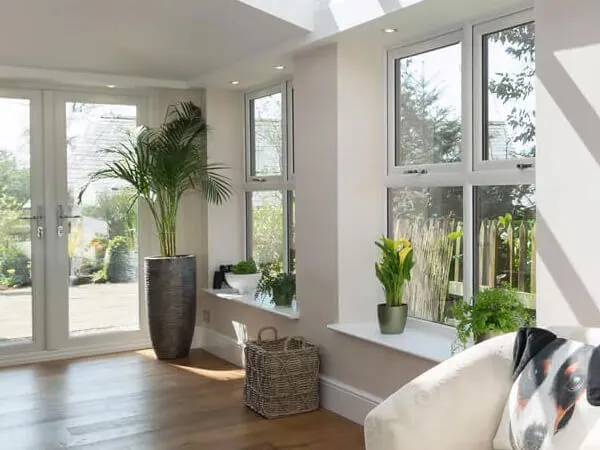
Helpful tips for designing your new living space.
Find even more ideas & inspiration – download our Home Edit magazine.
Explore beautifully designed spaces, practical tips and the latest styles in our Home Edit magazine. Get your free download and take the first step towards transforming your home.
Styles we love
Personalised spaces
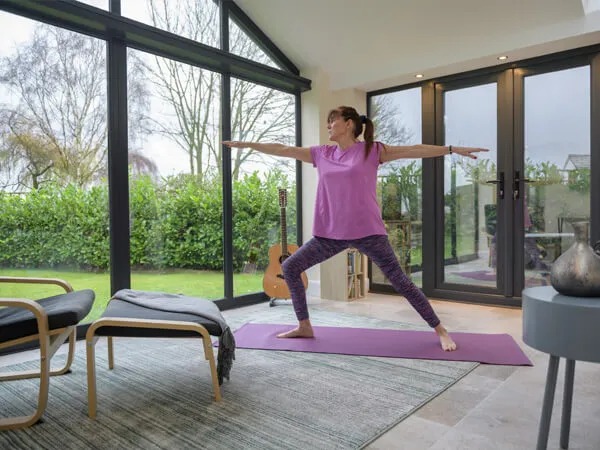
This year’s trend is creating a new living space at home that supports the hobbies you enjoy most.
Whether you’re dreaming of a peaceful reading corner, a dedicated yoga space or a craft room for getting creative, shaping your home around your interests can make everyday living feel more personal and rewarding.
Dreaming of a new look for your home but unsure where to begin?
Our team of experts have been providing superior customer service to homeowners in your area for many years. If you have a project in mind, get in contact with 5 Star today!
Explore ideas in real life – find your inspiration in our showrooms.
Want more than just pictures? Visit our showrooms to see, touch and experience the possibilities for yourself, explore different styles and finishes up close, and get a true feel for how everything could look and work in your own home.
Need more inspiration? request a brochure
Simply select the brochure(s) you would like to browse, fill in your details, and then click ‘Request Brochure’.
Step 1 – Please select the brochure(s) you would like:
"*" indicates required fields
Decorating FAQs
While impossible to cover everything to do with décor here, we thought it useful to answer several common questions.
What are the key elements of a well-designed room?
A well-designed room brings together several key elements so the space feels balanced, functional and comfortable.
Start with layout and flow—furniture should be arranged to suit how the room is used, with clear pathways and a natural focal point. Colour and materials set the tone, so choose a cohesive palette and layer different textures to add depth and interest.
Lighting is essential, combining natural light with ambient to create the right mood throughout the day. Furniture and scale should suit the size of the room, ensuring nothing feels overcrowded or lost in the space.
Finally, add personality through artwork, accessories and soft furnishings. These finishing touches bring everything together and make the room feel considered, comfortable and uniquely yours.
Should everything match?
No—everything doesn’t need to match. In fact, a space that’s too coordinated can feel flat and lacking in personality.
A better approach is to aim for cohesion rather than uniformity. Keep a consistent colour palette or material theme, then layer in different textures, finishes and styles to add depth and interest. Mixing modern and traditional pieces, or pairing soft fabrics with natural materials like wood or metal, helps create a more relaxed, lived-in feel.
Think of it as everything working together, rather than everything being the same.
How do I choose a colour scheme for a room?
Start by thinking about how you want the room to feel – calm and relaxed, warm and cosy, or bright and energising. Your colour choices should support that mood.
Choose a base colour for the walls, then build around it with one or two complementary shades and an accent colour for contrast.
How can I make my home feel more cosy?
Start with soft textures—layer rugs, cushions and throws to make spaces feel inviting and comfortable. Introduce warm lighting with table lamps, floor lamps or soft bulbs to avoid harsh overhead light and create a more relaxed mood.
Choose a warm colour palette, using earthy tones or soft neutrals to add depth and calm. Natural materials like wood, wool and linen also help bring a sense of warmth and softness into the space.
Finally, add personal touches such as books, artwork or meaningful accessories. These details make your home feel lived-in, welcoming and uniquely yours.
How do I mix modern and traditional décor without it clashing?
Start with a simple base, such as neutral walls and clean-lined furniture, then introduce traditional elements like classic patterns, wood finishes or decorative details. This keeps the space feeling fresh while adding character.
Link the two styles through colour and materials. For example, repeat similar tones across modern and traditional pieces, or use a consistent finish like warm wood or brushed metal to tie everything together.
Pay attention to proportion—pair a statement traditional piece with more minimal surroundings, or soften modern furniture with layered textiles like rugs and cushions.
Done well, mixing styles creates contrast and depth, giving your space a more timeless, considered feel rather than something that looks overly matched or dated.
What are the most common decorating mistakes to avoid?
Some of the most common decorating mistakes come down to scale, balance and planning.
One of the biggest is choosing furniture or rugs that are too small, which can make a room feel disconnected. Similarly, pushing all furniture against the walls can leave the space feeling empty rather than open.
Poor lighting is another frequent issue—relying on a single ceiling light can make a room feel flat. Layering different light sources creates a much warmer, more functional space.
Overmatching everything or, on the flip side, mixing too many styles without a clear direction can also disrupt the look. Aim for cohesion, not uniformity.
Finally, skipping measurements or not testing colours in your space can lead to costly mistakes. Taking the time to plan properly helps create a room that feels balanced, comfortable and well thought out.
How do I stop a room from feeling cluttered?
Start with smart storage. Use furniture that works harder—such as ottomans with hidden compartments, built-in shelving or storage benches—to keep everyday items out of sight but still easily accessible. Keeping surfaces clear instantly makes a room feel calmer and more organised.
Be selective with accessories. Rather than filling every shelf or tabletop, choose a few pieces you really like and give them space to stand out. Group items in small clusters and vary their height and texture to create a more considered, styled look without overcrowding.
How high should I hang artwork?
A good rule is to hang artwork so the centre sits at eye level—typically around 145–150cm from the floor. This keeps it comfortable to view without feeling too high or disconnected from the space.
If you’re hanging art above furniture, position it around 15–20cm above the top edge to create a clear visual link. For gallery walls, treat the whole arrangement as one piece and centre the grouping at eye level for a balanced look.
How do I choose the right rug size?
Choosing the right rug size comes down to how your furniture sits within the space—your rug should anchor the room, not float in it.
For living rooms, aim for a rug large enough that at least the front legs of your sofa and chairs sit on it. In larger spaces, all furniture can sit fully on the rug for a more luxurious, cohesive feel. Avoid rugs that are too small, as they can make the room feel disjointed.
In dining areas, the rug should extend at least 60–70cm beyond the table on all sides so chairs stay on the rug when pulled out.
As a simple rule, always measure your space first—going slightly larger is usually the better choice.
What’s the best way to style shelves?
The best way to style shelves is to strike a balance between display and space, creating something that feels curated rather than crowded.
Start by mixing different elements—combine books, decorative objects and personal items to add interest and tell a story. Stack some books horizontally and stand others vertically to vary the layout and break up repetition.
Explore more living space ideas.
Looking for more inspiration for your home? From modern extensions and conservatory upgrades to design tips and real customer transformations, you’ll find everything you need to spark your imagination and plan your perfect living space.
Make it happen with flexible finance
Found the perfect idea? Spread the cost with flexible finance and start creating the home you’ve been imagining, with a payment plan designed to suit your budget.
Request your free quote
Simply fill in your details for your free, no-obligation quotation, and click “Get Quote.”
"*" indicates required fields